Why Sunrise and Sunset Feel So Powerful at Uluṟu | And Why They’re Good for You
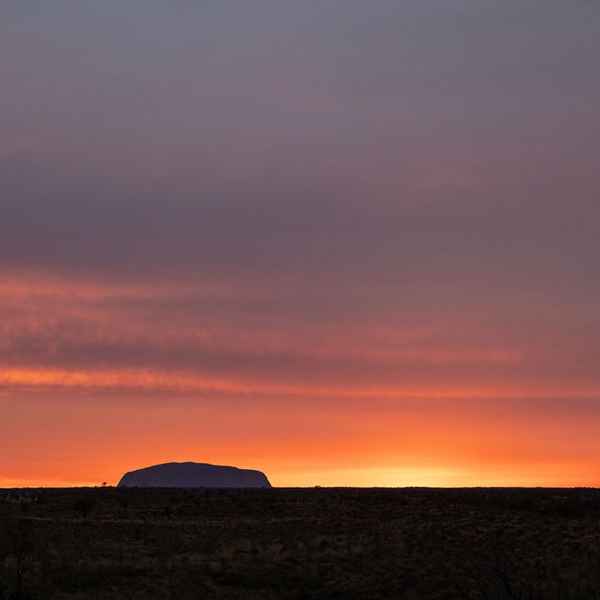
In Australia’s Red Centre, light doesn’t simply illuminate the landscape; it transforms it. The domes of Kata Tjuṯa and the immense form of Uluṟu shift colour by the minute, glowing from dawn’s soft pinks to fiery oranges before fading into deep violet silhouettes at day’s end.
For Aṉangu, the Traditional Owners of Uluṟu-Kata Tjuṯa, these daily transitions carry profound meaning, connected to Tjukurpa - the creation stories and laws that shape life on Country. Contemporary science also suggests our fascination with sunrise and sunset helps regulate how we feel, sleep, and connect with the world around us.
The Uluṟu–Kata Tjuṯa Signature Walk is designed to immerse you in these epic transitions - moments that invite everyone, guides included, to simply stop and be present.
Discover our Uluṟu-Kata Tjuṯa Signature Walk
Why we Humans need the Sunrise and Sunset
Long before artificial lighting, sunrise and sunset structured the human day, anchoring movement, rest, and community — rhythms our bodies still rely on.
Natural light regulates the circadian rhythm, the internal clock controlling sleep, hormones, energy, and mood. Morning light boosts alertness and resets sleep patterns, while evening light signals the body to slow down.
Today, these cues are often blurred by screens and artificial lighting, but in remote landscapes like the Red Centre, the shift from darkness to light — and back again — is unmistakable.
“Sunsets in Central Australia seem to go on and on,” says Tas Walking Co guide Rory Oates. “With the low horizons, the colours change slowly, lingering until there’s just a final strip of light behind the dunes.”
With nothing interrupting the skyline, twilight stretches, giving travellers permission to pause. It is this immersive rhythm of light that sets the stage for the Uluṟu–Kata Tjuṯa Signature Walk, where each sunrise and sunset becomes a moment to truly feel, reflect, and reset.

Day One: Your First Sunset at Kata Tjuṯa
Your journey begins at the Valley of the Winds, where towering domes rise from the desert floor. As you settle into Camp One tucked into the dunes, you watch your first desert sunset. Ochre rocks glow fiery orange before fading into purples and charcoal, giving your body and mind a moment to slow down and reset after the day’s exploration.

Day Two: Sunrise on the Southern Dune
Waking before dawn deep inside the National Park, you experience a desert sunrise few others will. Breakfast accompanies the first light, turning sand to shimmering silver before it glows gold.
“The part about sunrise I love is the quiet,” Rory says. “At home you’re used to birds and people waking. In the desert, that silence is something you really notice.”
This quiet, immersive moment calms your mind and reinforces your natural circadian rhythms, setting you up for a day of alertness and presence. As evening comes, sunset offers another shared pause, the southern dunes slowly shifting in colour while you reflect on the journey so far.
Day Three: A Transformative Sunset at Uluṟu
Day three brings a deeply moving experience. As you move closer to Uluṟu, the monolith comes into view just as the sun begins its descent. From the Lodge’s lookout, Uluṟu glows soft pink before igniting in fiery red, every shift in light drawing your attention.
This first sunset against Uluṟu is transformative. Walking through the landscape rather than observing from a platform height deepens your connection: the colours feel alive, the air cooler, and your mind quieter. Awe floods in, naturally lowering stress and helping your body recalibrate.
“For me, I love the way everyone stops for that moment at the end of the day as we bid the sun farewell,” Tas Walking Co’s Head of Delivery, Heath Garratt says. “The other night at the Uluru lookout the timing was perfect with the moon rising minutes after the sun had set. The vivid shades of orange, red, yellow, mauve, indigo were then reflected on the near-full moon as it rose.”
Evening at the lodge reinforces this reset. Foot baths, wellness therapies, and a slow dinner as the sun dips behind Uluṟu allow you to reflect and absorb the magnitude of the landscape.

Day Four: Muṯitjulu Waterhole and Cultural Stories
Standing at the base of Uluṟu near Muṯitjulu Waterhole, the interplay of shadows and light is profound. Aṉangu Elders share stories that link the sunset to cultural law and history, enriching your experience. Light reveals textures and moods on the monolith invisible at other times, deepening your sense of presence and appreciation. This day blends natural wonder with cultural insight, leaving a lasting impression of the living stories of the land.
Day Five: Your Final Dawn
On the final morning, you can linger in bed or step outside to watch the desert awaken one last time. After five days immersed in the rhythms of light, sunrise feels less like sightseeing and more like a quiet, restorative meditation - a final mental and emotional reset before returning to the world beyond the park.
Because at Uluṟu, the sun doesn’t simply rise and set. It breathes life into the desert itself, and into you, if you pause long enough to watch.

Is the magic of the desert calling your name? Join our expert guides on the Uluru-Kata Tjuta Signature Walk and step into the rhythm of sunrises to sunsets.
Last Updated: 12 March 2026